Loading...
Loading...
Choose a subject and learn at your own pace.

Build confidence in everyday conversation.
Explore languages

Turn an idea into something that works.
Explore coding

Understand numbers, patterns and shapes.
Continue learning

Learn science step by step through focused lessons, practice, quizzes, and games.
Physics · Chemistry · Biology · Geography · Astronomy · Environmental Science · Geology

Explore world history through people, institutions, and connections. Learn to read sources, trace change, and evaluate historical explanations.
Continue learning
Explore choices, markets, inflation, and trade. Use everyday examples and evidence to understand how economic decisions affect people.
Continue learning
Practice clear reasoning and explore questions about knowledge, ethics, and human life. Compare arguments, examine assumptions, and understand different viewpoints.
Continue learning

Read stories and poems closely. Explore character, voice, imagery, and structure, then build interpretations supported by the text.
Continue learning

Learn to look closely at visual art. Explore color, form, composition, and materials, then compare works and develop interpretations with evidence.
Continue learning

Explore pulse, melody, harmony, and musical form. Use short sound examples and clear explanations to compare patterns and understand performance choices.
Continue learning

Read data, compare summaries, and reason about uncertainty. Work through everyday examples to understand probability, sampling, and the limits of statistical conclusions.
Continue learning
Explore attention, memory, learning, and behavior. Use everyday examples to compare explanations and understand how psychological research builds and tests evidence.
Continue learning
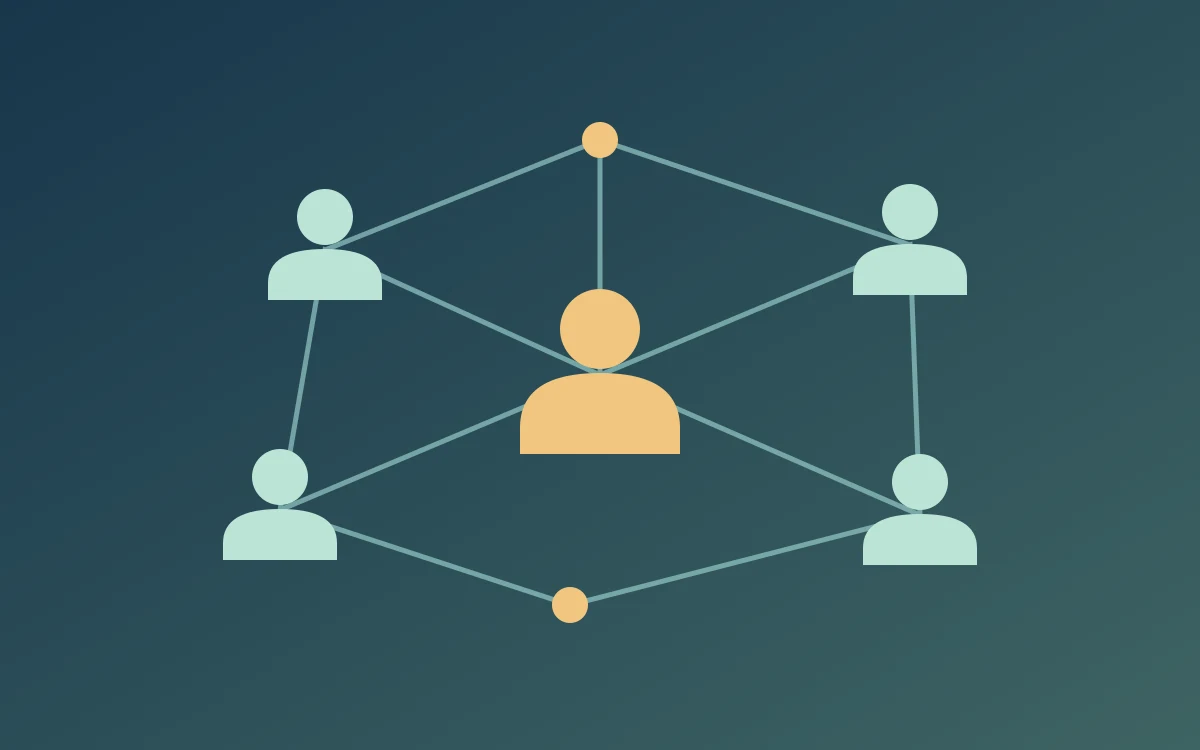
Explore social relationships, institutions, and communities. Compare everyday examples and research evidence to understand patterns, unequal access, and social change.
Continue learning
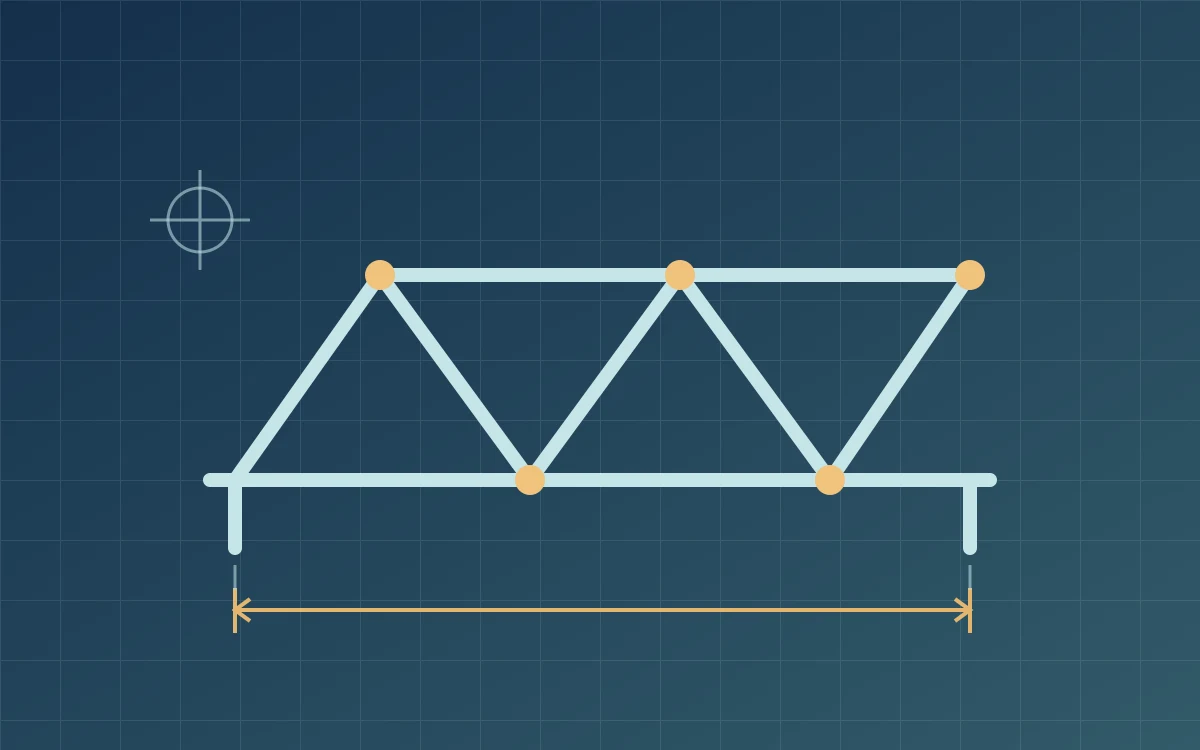
Explore how useful designs take shape. Learn about forces, materials, energy, and systems, then compare ideas through clear requirements, prototypes, and evidence.
Continue learning